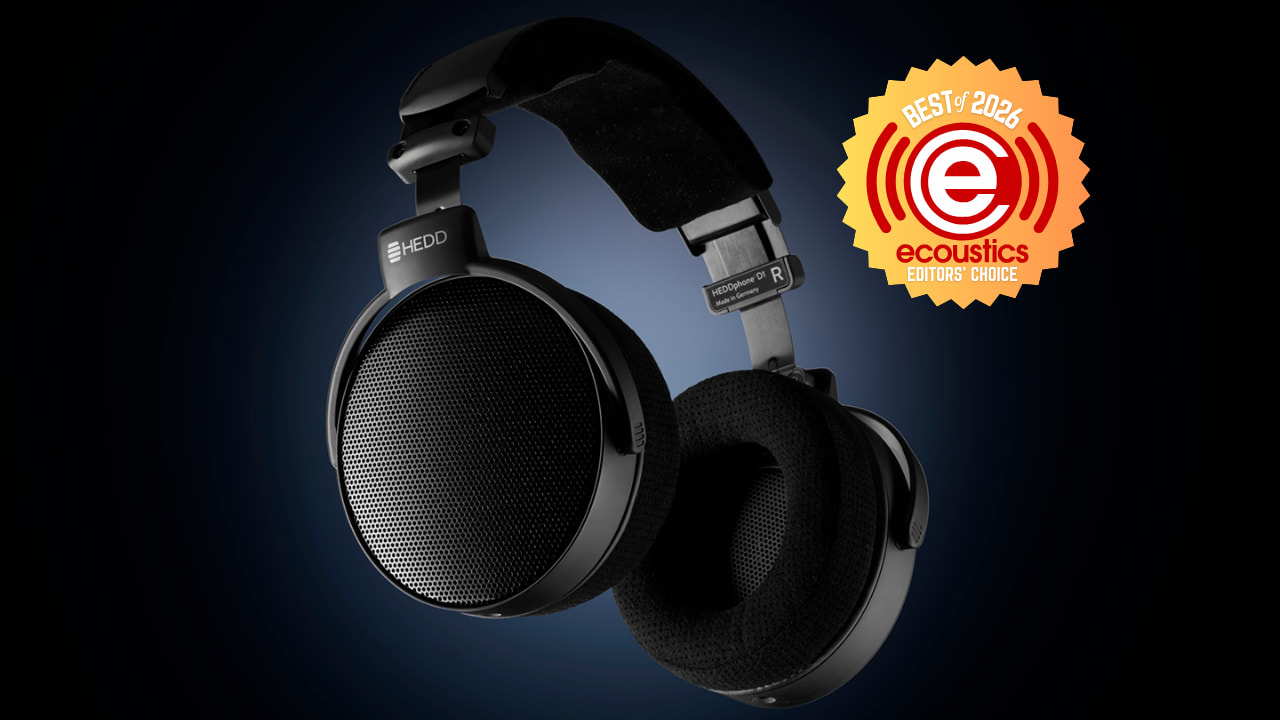
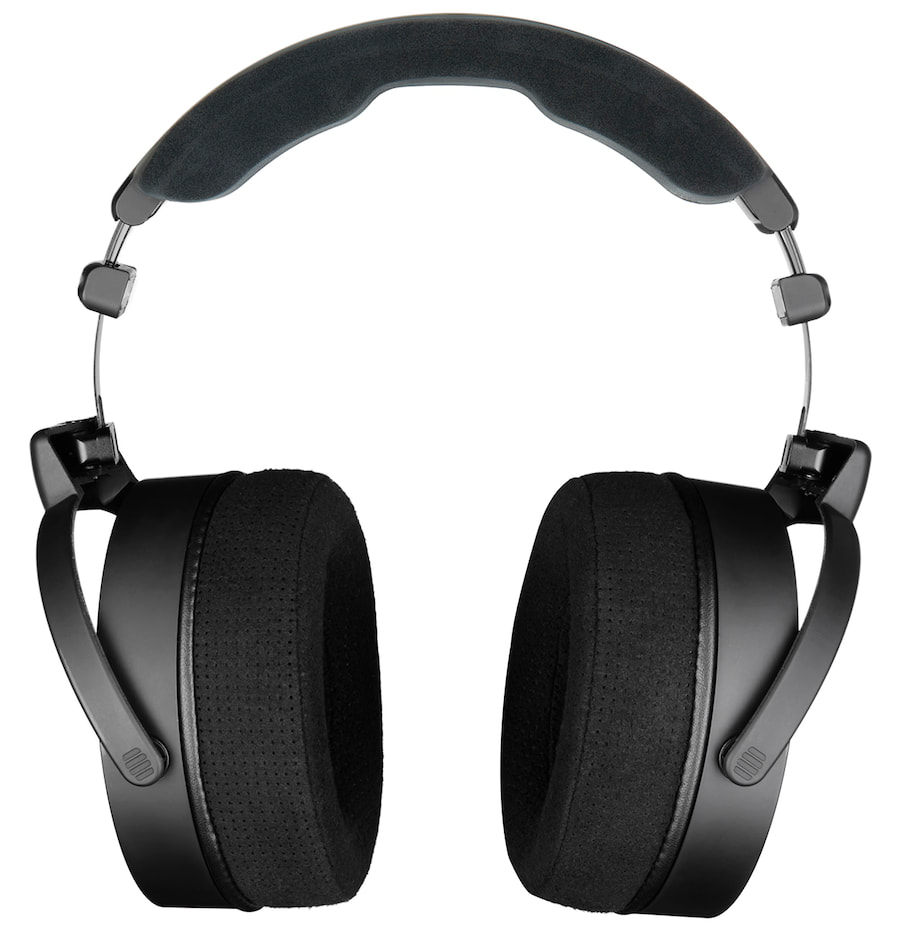

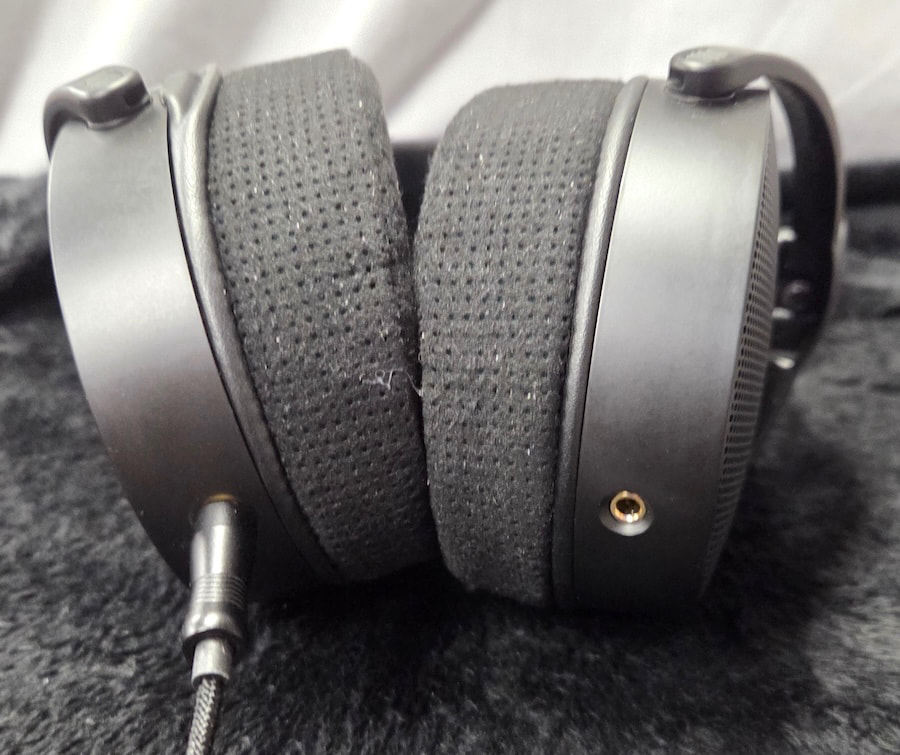
Recently, the new open-back dynamic driver headphone D1 from the German professional monitoring brand HEDD has officially debuted, priced at $799 (approximately RMB 5,800). Although the product has a low-key appearance, it has been praised by overseas media eCoustics as "the best reference-class dynamic headphone under $1000" thanks to its unique TPCD diaphragm technology. [1]
HEDD was previously known for its professional monitor speakers, and the D1 is its first high-end over-ear headphone. Unlike common dynamic or planar magnetic headphones on the market, the D1 uses a diaphragm made of TPCD (Thermoplastic Carbon Fiber Composite), an innovative material in the audio field. [1]
According to the official introduction, the TPCD diaphragm combines the high rigidity of carbon fiber with the damping properties of thermoplastic materials, effectively reducing split vibration distortion. According to eCoustics' review, the D1 achieves a level of resolution, transient response, and soundstage performance comparable to products in the $10,000 range, especially outstanding among dynamic headphones under $1,000. [1]
The D1 is priced at $799, targeting the high-end reference market. It adopts an open-back design, and detailed parameters such as impedance and sensitivity have not been disclosed yet. It is currently available through some overseas channels; whether it will be introduced in China has not been announced. [1]
The biggest highlight of the D1 is its neutral and accurate sound, without any deliberate embellishment. The review believes it faithfully reproduces recording details while maintaining the natural musicality and vocal texture of dynamic headphones, making it very suitable for mixing engineers and audiophiles as a monitoring tool. [1]
Editor's perspective: The $799 price range is highly competitive, with veterans like Sennheiser HD 800 S and Beyerdynamic DT 1990 Pro, as well as emerging planar magnetic headphones like HIFIMAN Sundara. The HEDD D1 has unique advantages in transient response and distortion control thanks to its TPCD diaphragm, but lacks long-term brand reputation in the headphone field. For professional users or hardcore audiophiles who pursue ultimate reference sound quality and do not mind a conservative design, the D1 is worth a serious audition; if you value comfort or brand recognition more, it is recommended to compare with competitors before deciding. [1]